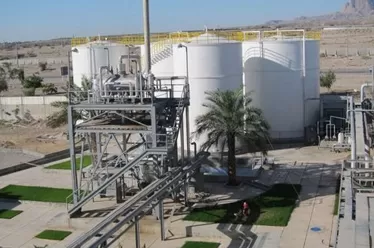
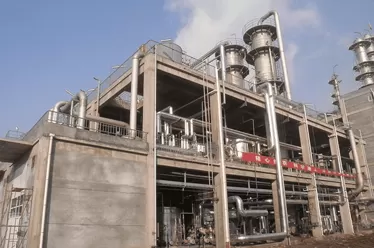
Investing in a dimethyl sulfoxide (DMSO) production plant involves a different set of economic considerations from many conventional solvent manufacturing projects. The availability of sulfur-containing feedstocks, intermediate product quality and the intended DMSO grade can significantly influence the commercial feasibility of the facility.A competitive raw material supply does not necessarily guarantee low production costs. Additional separation requirements, environmental responsibilities, product qualification expenses and infrastructure investment may offset apparent advantages in feedstock pricing.
For chemical manufacturers, refinery operators and industrial investors, understanding these project-specific factors is essential before committing capital to a DMSO manufacturing facility.
How Much Does a DMSO Production Plant Cost?
The total investment cost of a DMSO production plant depends on feedstock sourcing, annual production capacity, process technology, intermediate purification, finished product specifications and local infrastructure. Environmental protection and occupational safety requirements also form an important part of the project budget.
A reliable investment estimate requires a defined project scope and a site-specific feasibility assessment. There is no standard equipment price that accurately represents the total cost of every DMSO production facility.
Start with the Commercial Feasibility of DMSO Manufacturing
Before comparing equipment quotations, investors should determine whether the proposed facility has a sustainable commercial position. A DMSO project should be evaluated against the availability of suitable raw materials, realistic customer demand and the total cost of meeting product quality requirements.
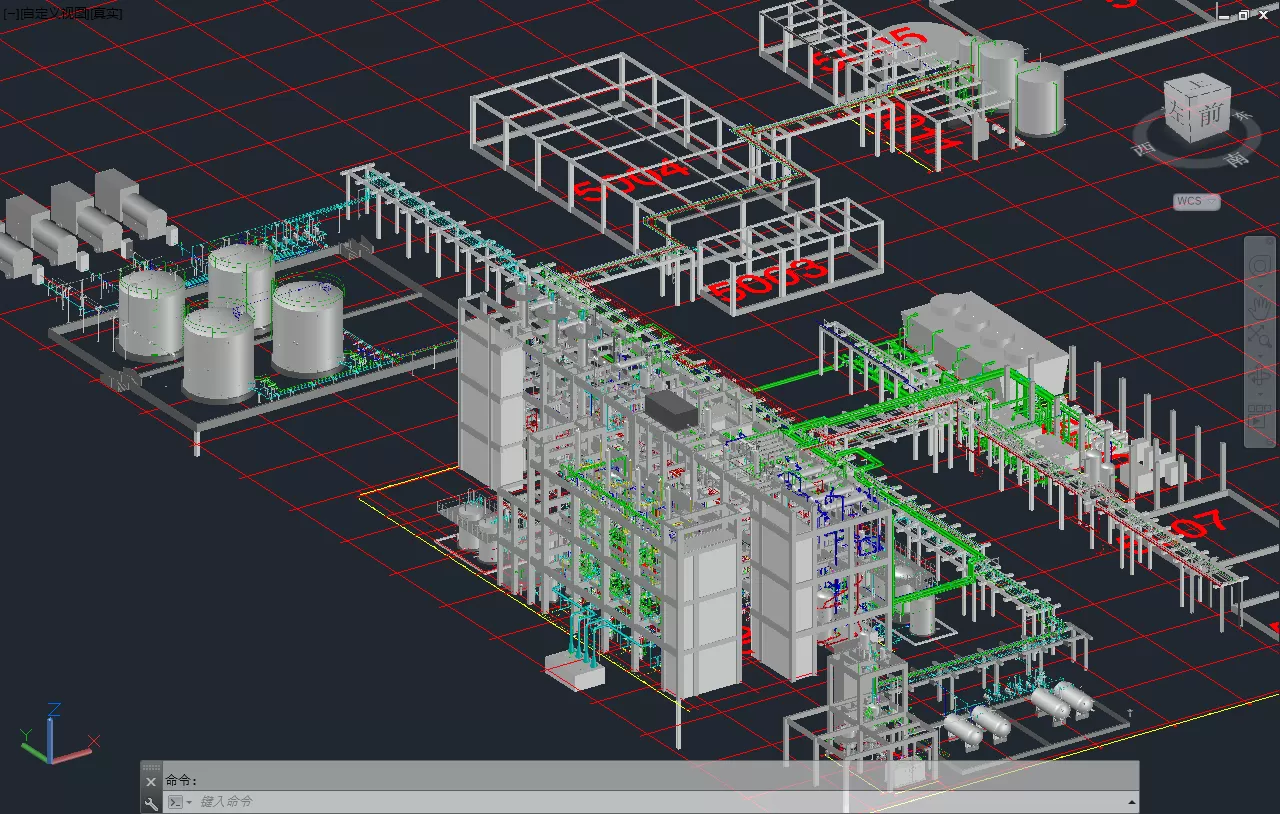
DMSO Production Facility Engineering Model Published by Huda Chemical
Three Questions Before Investing
01. Is the feedstock supply commercially sustainable?Evaluate supply reliability, delivered material costs and contractual availability.
02. Who will purchase the finished DMSO?Identify target industries, product acceptance criteria and realistic sales volumes.
03. What infrastructure is already available?Determine which industrial facilities can be utilized and which require new investment.
These questions help establish the preliminary investment basis. A project with attractive feedstock economics but uncertain customer demand may be less financially viable than a project with higher input costs and established long-term sales agreements.
FEEDSTOCK ECONOMICS
Why Low-Cost Sulfur Resources Do Not Always Mean Low DMSO Production Costs
Hydrogen sulfide and methanol are important feedstock considerations in the industrial production route described by Huda. Oxygen supply is another component of the overall industrial infrastructure assessment.
Industrial sites associated with refining, natural gas processing or chemical manufacturing may have access to sulfur-containing resources. However, their economic value depends on more than the nominal price of the raw material.
The Real Cost of Feedstock Availability
A meaningful feedstock evaluation should account for the total economic burden of obtaining and supplying an acceptable industrial raw material, including:
Long-term feedstock purchasing agreements.
Variability in supply availability and commercial quality.
Additional infrastructure and material acceptance costs.
Environmental obligations and occupational safety expenses.
Financial exposure to supply interruptions.
Comparing Two Feedstock Supply Scenarios
| Evaluation Factor | Integrated Industrial Site | Independent Chemical Plant |
|---|
| Feedstock Access | Potential access to existing industrial resources | External supply arrangements required |
| Infrastructure | Potential use of existing infrastructure | New supporting facilities may be required |
| Supply Risk | May depend on upstream plant availability | Depends on external supplier performance |
| Commercial Flexibility | Potential limitations from existing site arrangements | May offer more flexibility in supplier selection |
| Investment Decision | Evaluate integration costs and resource compatibility | Evaluate full infrastructure and supply costs |
Neither scenario is automatically more economical. The preferred development model should be determined through a professional feasibility study that considers the complete financial and regulatory responsibilities of the project.
How Intermediate Purification Influences DMSO Plant Investment
Huda's published industrial DMSO production plant technology uses a two-stage production route in which dimethyl sulfide (DMS) is an intermediate and dimethyl sulfoxide is the finished product.
From an investment perspective, the intermediate quality requirements are important because they influence the engineering scope associated with separation, product consistency and downstream purification.
Where Additional Purification Costs Can Appear
Equipment expenditure: The required product quality and separation scope can influence equipment specifications and initial procurement costs.
Operating expenditure: Separation-related utility consumption, maintenance and quality management contribute to recurring expenses.
Product qualification: Additional testing and documentation may be necessary for customers with specialized acceptance criteria.
Commercial losses: Product that fails to meet customer requirements can create inventory, rework or disposal expenses.
For this reason, a DMSO plant investment should be evaluated using the complete production and refining scope rather than the cost of individual chemical production units.
Industrial investors can also explore Huda's distillation and chemical separation technologies when assessing the broader engineering requirements of a proposed chemical production facility.
Industrial-Grade vs. High-Purity DMSO: Which Market Justifies the Investment?
Higher-purity DMSO may serve more specialized customers, but a higher selling price does not automatically produce a higher profit margin. Investors must consider the cost of meeting additional quality requirements, securing customer approvals and maintaining consistent commercial production.
MARKET POSITION A
Industrial-Grade DMSO
General industrial solvent and chemical processing markets.
Competitive production economics.
Consistent commercial specifications.
Reliable supply to industrial customers.
Cost-effective quality management.
MARKET POSITION B
Specialized High-Purity DMSO
Applications requiring more demanding customer-specific acceptance criteria.
Additional product quality requirements.
Potentially greater analytical expenses.
Customer qualification and documentation.
More demanding contamination management.
Evaluate the Net Value of a Higher Product Grade
PRODUCT GRADE ECONOMICS
Net Annual Grade Benefit = Additional Sales Revenue - Additional Operating Expenses - Qualification and Quality Management Costs
The result should then be compared with any additional capital investment required to serve the specialized market. A premium product strategy is commercially attractive only when its additional revenue justifies the full incremental cost and associated market risk.
The two market positions above illustrate general investment considerations. They do not represent confirmed pharmaceutical-grade or electronics-grade production capabilities or guaranteed product specifications from Huda Chemical.
Environmental Compliance: A Major Budget Consideration for DMSO Plants
Sulfur-based chemical production requires careful evaluation of occupational health, environmental protection and regulatory obligations. These responsibilities should be included in the preliminary investment budget rather than treated as optional additions after equipment procurement.
Hydrogen sulfide is a highly hazardous and flammable gas. The Occupational Safety and Health Administration's hydrogen sulfide hazard guidance explains the serious health and safety risks associated with exposure. Applicable project requirements must be determined by qualified professionals and relevant local authorities.
Occupational Health and Process Safety
The investment assessment should allocate resources for professional hazard evaluations, safety-related engineering, workforce training and continuing occupational health responsibilities.
Environmental Permits and Emissions Management
Project developers should identify the environmental approval requirements, permitted emissions and associated monitoring and reporting obligations for the proposed site.
Industrial Waste and Wastewater Responsibilities
The proposed facility must account for applicable waste handling, treatment and disposal obligations. Both infrastructure requirements and recurring compliance expenses can influence the total investment.
Equipment Integrity and Continuing Maintenance
Chemical compatibility, inspection requirements and long-term equipment maintenance should be considered when estimating lifecycle expenditure. The required scope must be established through professional engineering assessments.
Investment perspective: Safety and environmental expenditures are integral to the commercial viability of a DMSO project. A quotation that excludes these responsibilities should not be compared directly with a proposal that includes them.
SITE DEVELOPMENT STRATEGY
Greenfield vs. Brownfield DMSO Production Projects
A greenfield project involves developing a facility at a new site, while a brownfield project integrates new production capacity into an existing industrial property. The choice between these approaches can substantially affect the total capital requirement.
Greenfield Project
New industrial production site
Potential AdvantagesGreater flexibility in site layout, long-term expansion planning and the development of dedicated production infrastructure.
Investment ChallengesLand development, civil construction, new utilities, storage facilities and environmental approvals may increase the initial capital requirement.
Brownfield Project
Integration with an existing chemical facility
Potential AdvantagesPossible access to established utilities, industrial services, logistics systems and site infrastructure.
Investment ChallengesExisting facility limitations, integration engineering, infrastructure upgrades and potential disruptions to current operations may create additional costs.
A Brownfield Project Is Not Always Cheaper
Existing infrastructure has economic value only if it is suitable for the proposed DMSO facility and has adequate available capacity. An industrial site may require significant upgrades even when utilities and supporting services are already present.
Investors should compare the cost of developing new infrastructure with the cost of modifying existing assets, taking into account construction constraints, approval requirements and potential impacts on current production.
Seven Hidden Costs in a DMSO Production Plant Budget
Preliminary chemical plant quotations may focus primarily on process technology and equipment. However, several expenses outside the main equipment list can have a meaningful effect on the total funding requirement.
01. Preliminary Engineering and Feasibility Studies
Technical assessments, commercial evaluations, site investigations and early design work may require expenditure before the main project contract is finalized.
02. Product Testing and Customer Qualification
Laboratory resources, analytical services and customer approval requirements can affect both startup expenditure and the timing of commercial sales.
03. Utility Infrastructure Upgrades
Existing electricity, heating, water and other industrial services may require additional investment to support the proposed production facility.
04. Regulatory Approval and Environmental Studies
Permits, professional assessments and regulatory documentation may generate substantial indirect project costs, depending on the location and industrial classification.
05. Startup Expenses and Initial Working Capital
Initial raw material inventories, personnel expenses, product qualification and the period before stable commercial sales require adequate funding.
06. Maintenance and Spare Parts Provision
The operating budget should include equipment inspection, replacement requirements and the financial implications of planned maintenance periods.
07. Financing, Currency and Import-Related Expenses
International projects may be exposed to currency fluctuations, freight charges, import duties, financing costs and differences in local construction pricing.
These expenses should be incorporated into the owner's investment model even when they are excluded from a technology supplier's contractual responsibilities.
How to Calculate the Commercial Production Cost of DMSO
Once the preliminary engineering and investment scope has been established, investors should develop a commercial cost model based on expected saleable output rather than theoretical production capacity alone.
UNIT CASH PRODUCTION COST
DMSO Cash Production Cost per Tonne = Annual Cash Operating Expenses / Annual Saleable DMSO Output
Annual cash operating expenses should include relevant feedstock purchases, utilities, consumables, labor, maintenance, quality management and environmental compliance costs. Depreciation, financing and taxes can then be evaluated separately when determining the full financial performance of the investment.
Illustrative Impact of Underutilized Capacity
Consider a hypothetical facility with annual fixed cash operating expenses of USD 2 million. The following example isolates fixed costs to demonstrate how lower saleable production volumes can increase the cost allocated to each tonne of product.
| Annual Saleable Output | Annual Fixed Expenses | Fixed Cost per Tonne |
|---|
| 20,000 tonnes | USD 2,000,000 | USD 100 |
| 16,000 tonnes | USD 2,000,000 | USD 125 |
| 10,000 tonnes | USD 2,000,000 | USD 200 |
Illustrative Fixed Cost per Tonne of Saleable Product
20,000 tonnes/year - USD 100/t
16,000 tonnes/year - USD 125/t
10,000 tonnes/year - USD 200/t
In this example, reducing annual saleable output by half doubles the fixed operating cost allocated to each tonne of product.
Calculation note: The capacities and expenses are hypothetical financial modeling assumptions. They are not actual DMSO plant quotations, industry cost benchmarks or guaranteed production capacities from Huda Chemical. Variable production expenses are excluded from this example.
The comparison demonstrates why realistic sales forecasts, product qualification and reliable commercial demand are as important as equipment capacity when evaluating a DMSO manufacturing investment.
DMSO Plant Investment Assessment: Information to Prepare Before Requesting a Quotation
A useful DMSO plant quotation requires clearly defined technical and commercial information. Investors can reduce uncertainty during the preliminary engineering stage by preparing the following project inputs.
| Investment Category | Required Project Information |
|---|
| Feedstock Resources | Available industrial raw material sources and expected supply conditions. |
| Target Production Capacity | Proposed annual production volume and realistic sales expectations. |
| Target Product Market | Intended customer industries and required DMSO acceptance criteria. |
| Project Development Model | New industrial site or integration into an existing chemical facility. |
| Existing Infrastructure | Available utilities, industrial services, buildings and supporting facilities. |
| Environmental Requirements | Applicable environmental regulations, approval status and safety responsibilities. |
| Investment Boundaries | Required engineering, procurement, construction and owner responsibilities. |
| Financial Objectives | Available project budget, financing considerations and intended development schedule. |
Through its chemical plant EPC engineering and project development services, Huda can evaluate project requirements across process design, engineering, equipment procurement and project implementation according to the agreed contractual scope.
The objective of a preliminary assessment is not simply to obtain an equipment price. It is to establish a realistic project definition that supports subsequent technical and financial evaluation.
Frequently Asked Questions About DMSO Production Plant Cost
Is hydrogen sulfide availability enough to justify a DMSO plant investment?
No. The availability of sulfur-containing resources is only one part of the investment assessment. Raw material suitability, commercial supply arrangements, environmental responsibilities, product demand and the total engineering investment must also be evaluated.
Why can two DMSO plants with the same capacity have different investment costs?
Differences in feedstock conditions, product specifications, purification requirements, site infrastructure and regulatory responsibilities can significantly affect project investment. The scope included in each engineering proposal also influences the quoted price.
Does higher-purity DMSO always provide better profit margins?
Not necessarily. Specialized product grades may command higher selling prices, but additional purification, quality management, customer qualification and capital investment can offset the premium. Profitability depends on the net financial benefit and realistic sales volume.
Can an existing refinery or chemical complex reduce DMSO project investment?
Potentially. Existing industrial infrastructure may reduce the need for new supporting facilities. However, compatibility assessments, integration engineering, infrastructure modifications and applicable regulatory requirements must be considered before assuming capital savings.
What environmental costs should be included in a DMSO investment budget?
Relevant costs may include environmental assessments, permitting, professional process safety evaluations, waste management, emissions compliance and continuing monitoring responsibilities. The exact requirements depend on the facility location and proposed engineering scope.
How does plant utilization affect DMSO manufacturing cost?
Lower saleable production volumes generally increase fixed operating costs per tonne when fixed expenses remain unchanged. Investors should use realistic output and sales assumptions rather than relying exclusively on theoretical nameplate capacity.
Is working capital included in a DMSO plant equipment quotation?
Working capital is generally a separate owner-side financial consideration. Raw material inventories, operating expenses before commercial sales and customer payment terms should be included in the overall funding assessment.
What information is needed for a preliminary DMSO plant cost estimate?
The most important inputs include target production capacity, available raw material resources, intended product specifications, proposed site location, existing infrastructure, environmental requirements and the expected engineering or EPC delivery scope.
Conclusion: A Competitive DMSO Plant Starts with a Viable Business Case
The economics of DMSO production depend on the relationship between feedstock resources, product quality, industrial infrastructure and the ability to sell commercially acceptable products at sustainable margins.
Low-cost raw materials alone cannot compensate for excessive purification expenses, uncertain customer demand or underestimated environmental responsibilities. A well-developed investment strategy must evaluate these factors as part of a complete industrial business case.
Before selecting a technology provider or purchasing equipment, investors should establish a clear project definition, realistic commercial assumptions and a professionally evaluated investment scope.
Discuss Your DMSO Plant Investment with Huda Chemical
Are you evaluating a new DMSO manufacturing facility or exploring the feasibility of adding DMSO production to an existing chemical complex?
Share your available feedstock resources, target production capacity, intended product market and project location with our engineering team. Huda can help assess the proposed technology and establish an appropriate project development scope.
Discuss Your DMSO Project >