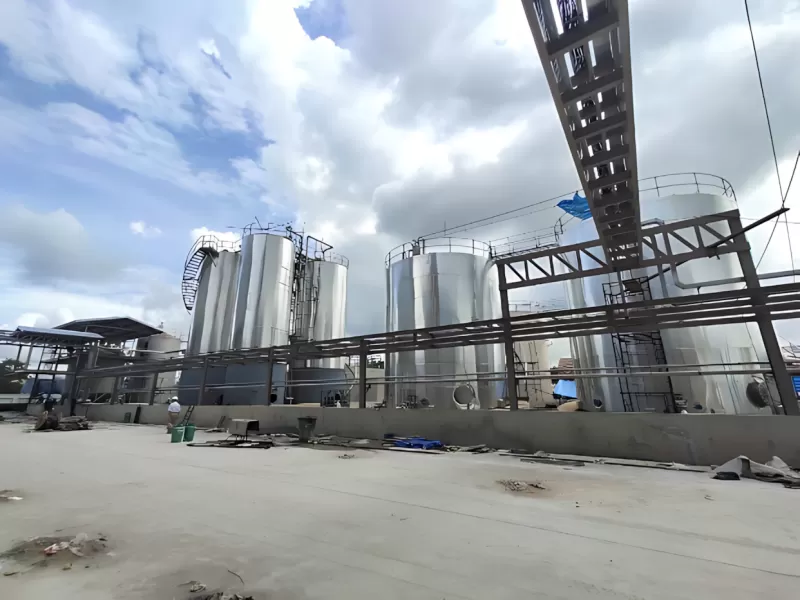
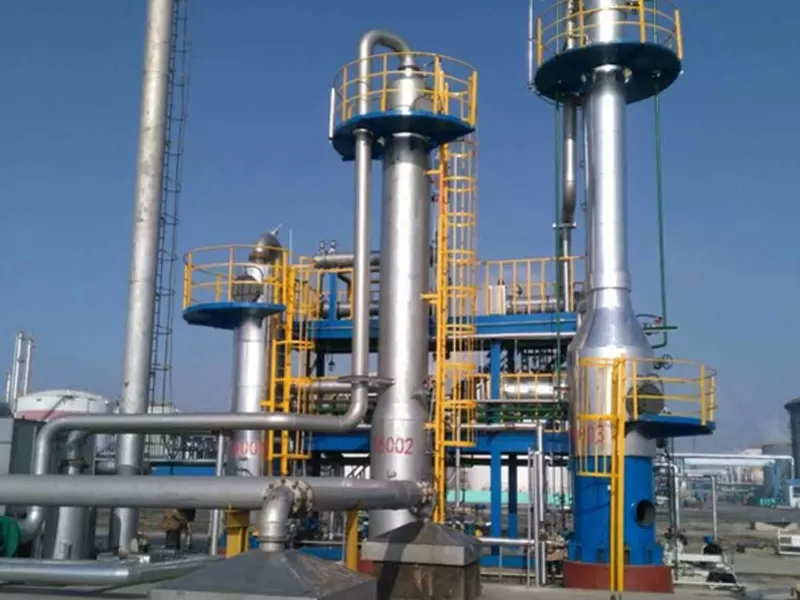
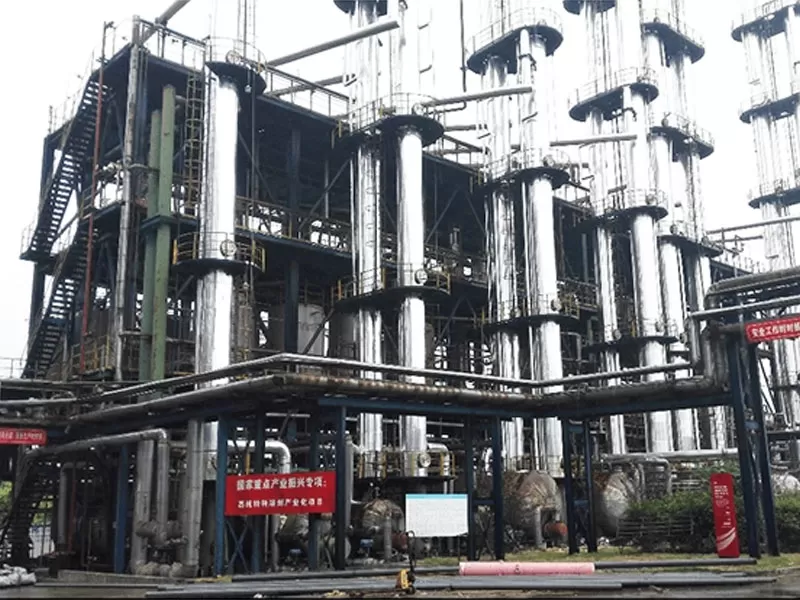
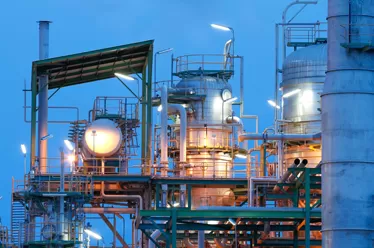
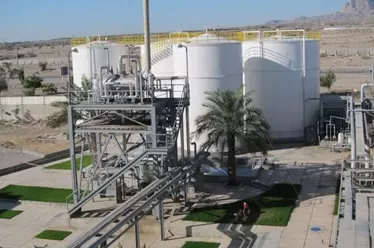
In the global chemical industry's journey toward sustainability, distillation stands as both a cornerstone and a challenge. Accounting for a significant share of energy use in chemical plants, advancing distillation technology is critical to building efficient, low-carbon, and future-ready chemical facilities. Among the pioneers driving this progress is Jiangsu Huda Chemical Technology Co., Ltd., which has long been deeply engaged in the R&D, production and application of chemical engineering equipment, including distillation-related technologies and supporting facilities, providing professional solutions for chemical plants around the world and empowering the sustainable development of the chemical industry.
Modern distillation plants are evolving from energy-heavy units into intelligent, integrated systems that define the next generation of sustainable chemical production. As a professional enterprise focusing on chemical engineering services, Huda Chemical Technology has been committed to integrating advanced distillation technology into its product system, helping customers optimize production processes, reduce energy consumption and achieve green development. Next, we will explore the core value of distillation technology, the energy-saving strategies adopted, and the most integrated distillation processes, and see how Huda Chemical Technology uses distillation technology to help the chemical industry achieve high-quality development.
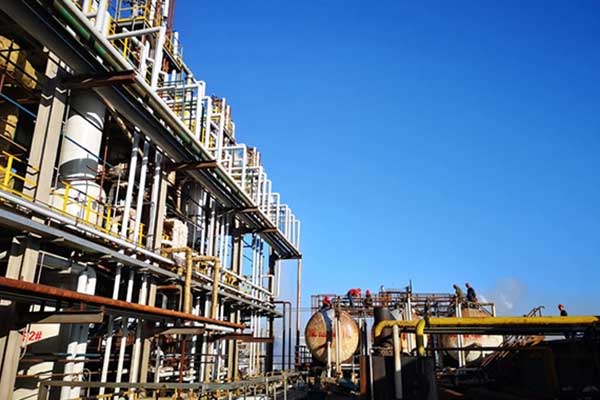
The Indispensable Role of Distillation in Modern Chemical Plants
Distillation is the workhorse separation process in chemical manufacturing, used to purify products, recover raw materials, and meet stringent quality standards. For chemical plants, efficient distillation technology is not only a key to reducing costs and increasing efficiency, but also an important support for achieving green and low-carbon development. Huda Chemical Technology, relying on its profound technical accumulation in the chemical industry, has always taken distillation technology as an important part of its core business, providing customers with high-quality distillation-related equipment and technical services, helping chemical plants solve the pain points of high energy consumption and low efficiency in traditional distillation.
Yet conventional distillation is highly energy-intensive, often relying on fossil fuel-based heat and contributing substantially to plant carbon footprints. As the world demands greener operations and stricter emissions regulations, optimizing distillation is no longer optional—it is essential. Efficient distillation directly cuts energy costs, lowers CO₂ emissions, enhances process safety, and boosts overall plant competitiveness. For sustainable chemical plants, advanced distillation technology is the foundation of operational excellence, and Huda Chemical Technology has been committed to providing professional distillation solutions to help customers achieve sustainable development goals.
Which energy intensification strategies are used in distillation processes?
To address the high energy consumption of traditional distillation, the chemical industry has continuously explored energy-saving strategies, and Huda Chemical Technology has also integrated these advanced strategies into its own product R&D and service system, providing customers with more energy-efficient distillation solutions. Specifically, the chemical industry employs five major energy intensification strategies to revolutionize distillation efficiency:
1. Cyclic Distillation: A dynamic, non-steady-state approach that enhances separation efficiency by periodically varying operating conditions, reducing energy use compared to steady-state distillation. Huda Chemical Technology has optimized this technology in its distillation equipment to further improve separation efficiency and reduce energy consumption.
2. Reboiler-Condenser Heat Integration: Recovers waste heat from overhead vapors to preheat reboiler feed or supply heat to other columns, minimizing external energy input. Huda Chemical Technology's distillation equipment fully integrates this heat recovery technology, effectively reducing the energy consumption of customers' production processes.
3. Heat Pumps (including Vapor Recompression): Compresses overhead vapor to elevate its temperature, reusing its latent heat for the reboiler—cutting energy consumption by 40–60% in many applications. This technology is widely applied in Huda Chemical Technology's distillation products, helping customers significantly reduce operational costs.
4. Side-Stream Distillation: Extracts intermediate streams at optimal column stages to reduce reflux and reboil duties, improving energy and separation efficiency. Huda Chemical Technology optimizes the design of distillation columns according to customers' actual needs, integrating side-stream technology to adapt to different production scenarios.
5. Thermal Coupling (including Divided-Wall Columns, DwCs): Integrates multiple distillation stages into a single column or thermally linked system, eliminating redundant heat transfer and reducing energy use by up to 40% or more. Huda Chemical Technology has introduced this technology into its product line, providing customers with more integrated and efficient distillation solutions.
Air Separation Distillation: The Benchmark of High Integration in the Industry
After understanding the energy-saving strategies of distillation processes, it is necessary to further explore which distillation process has the highest integration, so as to provide a reference for Huda Chemical Technology's product R&D and customer service. In fact, air separation processes have traditionally been the most integrated of all distillation processes.
Designed to produce high-purity oxygen, nitrogen, and argon, air separation units (ASUs) feature complex multi-column distillation with tight thermal and material integration, cascading heat across pressure-graded columns to maximize energy recovery. While further integration improvements remain possible, the industry is also seeing wider adoption of alternative and hybrid separation technologies—most notably membrane-assisted distillation. Huda Chemical Technology also pays close attention to the development of integrated distillation processes, and integrates the advantages of high-integration distillation into its own products, providing customers with more efficient and energy-saving distillation equipment and technical support.
Conclusion
Distillation technology and plants are irreplaceable cores in the sustainable transformation of the chemical industry, and Jiangsu Huda Chemical Technology Co., Ltd. has always been at the forefront of promoting the upgrading of distillation technology. As a professional chemical engineering service provider, Huda Chemical Technology integrates the five major energy intensification strategies into its product R&D and service, and combines the advantages of the most integrated air separation distillation process to provide customers with comprehensive distillation-related equipment and technical solutions.
From cyclic distillation to thermal coupling technology, from heat integration to hybrid separation technology, Huda Chemical Technology has been committed to helping chemical plants reduce energy consumption, lower carbon emissions, and improve operational efficiency. Looking ahead, Huda Chemical Technology will continue to deepen its R&D of distillation technology, integrate more advanced energy-saving strategies and high-integration processes into its products, and work with global chemical enterprises to move towards a more sustainable and low-carbon future, making greater contributions to the green development of the chemical industry.