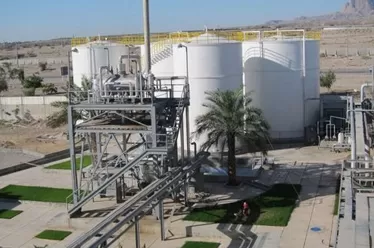
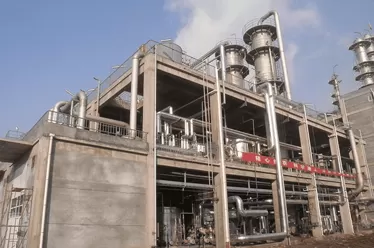
How much does it cost to build an ethyl acetate production plant? For chemical manufacturers and investors, the answer depends on considerably more than the purchase price of reactors, distillation columns and other process equipment.Production capacity, local ethanol and acetic acid prices, steam consumption, product specifications and the boundaries of the EPC contract all influence the financial viability of an ethyl acetate project. Two plants with the same nameplate capacity may have substantially different investment requirements and long-term production costs.
This guide explains how to evaluate ethyl acetate plant cost, estimate major operating expenses and compare engineering proposals before making an industrial investment decision.
How Much Does an Ethyl Acetate Plant Cost?
There is no universal price for an ethyl acetate production plant. Total project investment depends on the process technology, annual production target, equipment configuration, existing infrastructure, construction location and contractual delivery scope.
A reliable investment assessment should include both the capital required to build the facility and the annual expenses associated with producing commercially acceptable ethyl acetate. An equipment-only quotation should not be treated as the total cost of a complete chemical plant.
1. How Production Capacity Affects Ethyl Acetate Plant Investment
Production capacity is one of the first variables used to establish the engineering and financial basis of a chemical plant. Larger facilities generally require greater equipment and infrastructure investment, although the investment per tonne of annual capacity may decrease as production scale increases.
Before requesting quotations, investors should distinguish between daily nameplate capacity and realistic annual production. Maintenance shutdowns, market demand, feedstock interruptions and other availability factors may reduce actual output.
ANNUAL PRODUCTION ESTIMATE
Annual Output = Daily Production Capacity x Operating Days x Average Utilization Rate
| Daily Capacity | Operating Days | Annual Output at 100% Utilization | Annual Output at 80% Utilization |
|---|
| 50 TPD | 330 | 16,500 tonnes | 13,200 tonnes |
| 100 TPD | 330 | 33,000 tonnes | 26,400 tonnes |
| 150 TPD | 330 | 49,500 tonnes | 39,600 tonnes |
| 300 TPD | 330 | 99,000 tonnes | 79,200 tonnes |
Note: The capacities and operating assumptions above are illustrative planning scenarios, not Huda's guaranteed capacity range or annual production commitments.
An oversized facility may increase financing costs and create underutilized production assets. Conversely, a plant with insufficient capacity may struggle to distribute fixed operating expenses across enough saleable output. A realistic production forecast is therefore essential before finalizing investment decisions.
2. What Should Be Included in the Initial Investment Budget?
A chemical plant investment budget extends beyond the main production equipment. Investors should identify the full installed project cost, including infrastructure, indirect engineering expenses and the resources required before commercial operation begins.
Process Technology and Engineering
Process development, technical documentation, basic engineering, detailed engineering and project coordination can form part of the initial investment. The exact deliverables should be clearly defined in the technology or EPC contract.
Main Process Equipment
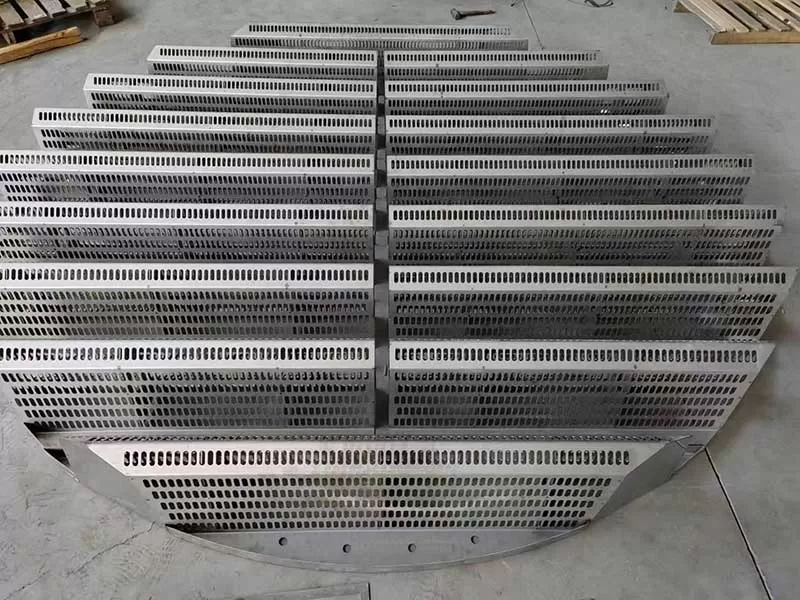
Reactors, distillation equipment, heat exchangers, pumps, vessels and associated instrumentation represent important equipment expenditure. The cost depends on equipment specifications, required materials and the approved engineering configuration.
Offsite Facilities and Utilities
Raw material storage, finished product storage, steam supply, cooling water, electrical infrastructure and wastewater treatment may require separate investment, particularly for a new industrial site.
Construction and Installation
Civil engineering, foundations, steel structures, equipment installation, electrical work and local construction expenses can vary substantially between countries and project locations.
Owner's Costs and Working Capital
Land, permits, financing during construction, initial inventories, staffing preparation and working capital are frequently outside an equipment supplier's quotation. These expenses should be identified separately in the overall investment model.
Investors should also allocate an appropriate contingency allowance based on the maturity of the engineering design, construction uncertainty and procurement conditions rather than assuming the preliminary equipment price will remain unchanged throughout project execution.
3. Reactive Distillation and Its Impact on Project Economics
The selection of production technology influences equipment requirements, energy demand and the long-term economics of an ethyl acetate plant.
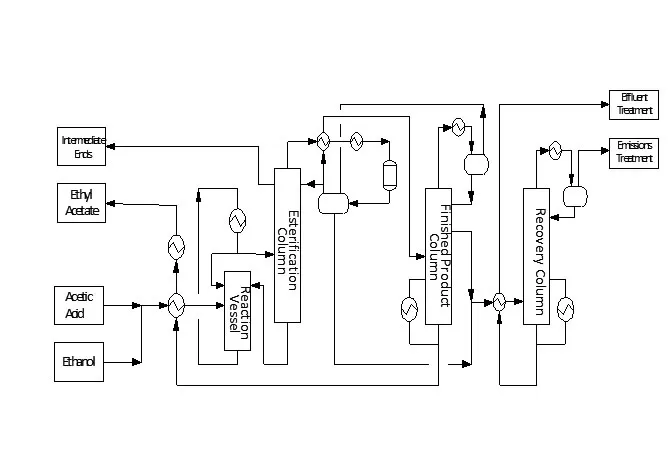
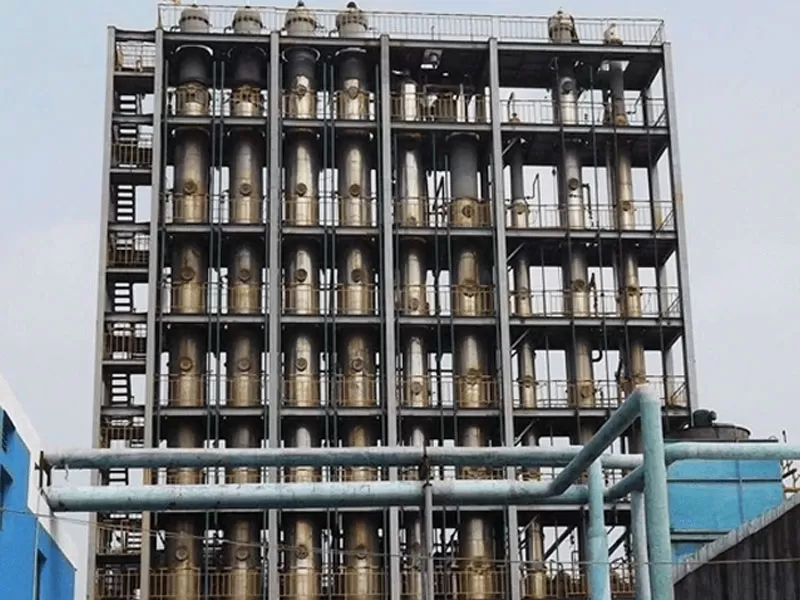
Huda's Published Ethyl Acetate Production Process Diagram
Huda Chemical's ethyl acetate plant design and reactive distillation technology integrates reaction and separation functions into an industrial process package.
From an investment perspective, the value of an integrated production technology should be evaluated through its overall equipment configuration, utility demand, material utilization and maintenance requirements rather than the number of process units alone.
Questions Investors Should Ask Technology Providers
What equipment and supporting systems are included in the proposed process package?
What annual production and product quality assumptions support the quotation?
How are raw material consumption and utility demand evaluated?
What maintenance and replacement expenses should the owner anticipate?
Which performance commitments will be included in the final contract?
A process that requires a higher initial investment may still offer better lifecycle economics if its verified operating expenses are lower. The comparison should be based on a consistent engineering and commercial basis.
OPERATING COST ANALYSIS
4. Why Steam Consumption Matters to Ethyl Acetate Production Cost
Steam is an important utility expense in chemical production facilities involving distillation and other heat-intensive processes. Even a modest difference in specific steam consumption can create a significant annual cost difference when multiplied by industrial production volumes.
According to the U.S. Department of Energy's industrial steam system resources, steam system performance should be evaluated across generation, distribution, utilization and energy recovery opportunities.
ANNUAL STEAM COST FORMULA
Annual Steam Cost = Annual Product Output x Specific Steam Consumption x Steam Unit Cost
Example: Steam Cost for a 150 TPD Ethyl Acetate Plant
Consider a hypothetical 150 TPD plant operating for 330 days annually at full utilization. Annual output would be 49,500 tonnes. Assuming a steam cost of USD 30 per tonne, the following scenarios illustrate how different steam consumption figures affect annual operating expenses.
| Evaluation Item | Scenario A | Scenario B |
|---|
| Annual Product Output | 49,500 tonnes | 49,500 tonnes |
| Specific Steam Consumption | 1.50 t/t | 1.20 t/t |
| Annual Steam Demand | 74,250 tonnes | 59,400 tonnes |
| Steam Unit Cost | USD 30/t | USD 30/t |
| Steam Cost per Tonne of Product | USD 45 | USD 36 |
| Annual Steam Cost | USD 2,227,500 | USD 1,782,000 |
Illustrative Annual Steam Cost Comparison
Scenario A: USD 2.23 Million
Scenario B: USD 1.78 Million
USD 445,500Illustrative Annual Steam Cost Difference
Important: These are hypothetical financial modeling assumptions. They are not actual measured consumption figures, market steam prices, project quotations or performance guarantees from Huda Chemical.
Steam Price Sensitivity Analysis
Using the same hypothetical annual steam demand difference of 14,850 tonnes, investors can examine how different local steam prices affect the economic value of lower utility consumption.
| Steam Price | Illustrative Annual Savings |
|---|
| USD 20/t | USD 297,000 |
| USD 30/t | USD 445,500 |
| USD 40/t | USD 594,000 |
| USD 50/t | USD 742,500 |
This comparison explains why heat integration can be particularly valuable in regions with expensive industrial energy. Actual investment decisions should use project-specific utility estimates, steam conditions, operating profiles and verified engineering data.
5. How Feedstock Prices Influence Ethyl Acetate Production Economics
For an esterification-based ethyl acetate plant, ethanol and acetic acid are major raw material cost considerations. Their commercial prices can fluctuate according to regional chemical supply, transportation costs, agricultural markets and upstream energy conditions.
Investors should assess landed feedstock costs rather than comparing supplier quotations alone. Freight, import duties, storage expenses, purchasing terms and supply reliability can change the effective cost of raw materials delivered to the production facility.
| Cost Variable | Investment Evaluation Question |
|---|
| Ethanol Price | Is there a reliable local or regional supply chain with competitive delivered pricing? |
| Acetic Acid Price | Can the project access stable upstream acetic acid production or purchasing contracts? |
| Material Consumption | What verified material consumption figures are used in the engineering proposal? |
| Transportation and Storage | What additional logistics and inventory expenses apply to the proposed location? |
| Selling Price | How sensitive is the project margin to changes in regional ethyl acetate market prices? |
Estimating Unit Production Cost
SIMPLIFIED CASH OPERATING COST
Cash Operating Cost per Tonne = Total Annual Cash Operating Expenses / Annual Saleable Product Output
Annual cash operating expenses may include feedstocks, energy, water, consumables, labor, maintenance and environmental treatment. Depreciation, financing costs and taxes can be evaluated separately to calculate a more complete financial cost.
When evaluating future profitability, manufacturers should also consider the requirements of target ethyl acetate industrial markets, including product specifications, sales channels and customer qualification requirements.
6. Equipment Supply vs. Turnkey EPC: Why Quotation Boundaries Matter
One common mistake in chemical plant investment is comparing quotations with different delivery boundaries. An equipment package may appear less expensive than a turnkey project simply because engineering, construction or supporting facilities are excluded.
The following table illustrates typical differences between three commercial delivery models. Actual responsibilities should always be confirmed in the contract.
| Project Scope | Equipment Supply | Process Package + Equipment | Turnkey EPC |
|---|
| Process Technology | Typically separate | Typically included | As contracted |
| Engineering Design | Limited equipment scope | Defined design scope | Basic and detailed design as contracted |
| Equipment Procurement | Specified equipment | Defined process equipment | Integrated procurement scope |
| Civil Construction | Owner's responsibility | Usually separate | According to local scope |
| Installation | Typically separate | May include guidance | As contracted |
| Commissioning and Training | Optional | May be included | Defined technical service scope |
| Performance Commitments | Individual equipment | Defined technology package | Agreed plant performance criteria |
Before selecting an EPC contractor, investors should identify the battery limits of the project. These boundaries establish which systems and responsibilities belong to the contractor and which remain with the plant owner.
Huda's chemical plant EPC engineering services cover engineering, procurement, construction-related services, commissioning and technical support according to the agreed project requirements.
7. Evaluating Payback Period and Investment Returns
For chemical plant investors, the economic value of a production technology depends on its expected financial performance throughout the facility's operating life.
When comparing proposals, the initial investment difference should be considered alongside estimated annual operating cost savings.
SIMPLE INCREMENTAL PAYBACK
Incremental Payback Period = Additional Capital Investment / Annual Net Operating Cost Savings
For example, if a hypothetical energy integration investment costs an additional USD 1 million and generates USD 445,500 in annual net operating savings, the simple incremental payback period would be approximately 2.24 years.
USD 1MIllustrative Additional Investment
USD 445,500Illustrative Annual Net Savings
2.24 YearsSimple Incremental Payback
This hypothetical example assumes no additional recurring costs associated with the investment. It is intended to demonstrate the calculation method and does not represent an actual Huda project investment or guaranteed return.
A complete investment appraisal should also examine discounted cash flow, financing expenses, taxes, plant availability, product pricing, equipment replacement and long-term market uncertainty.
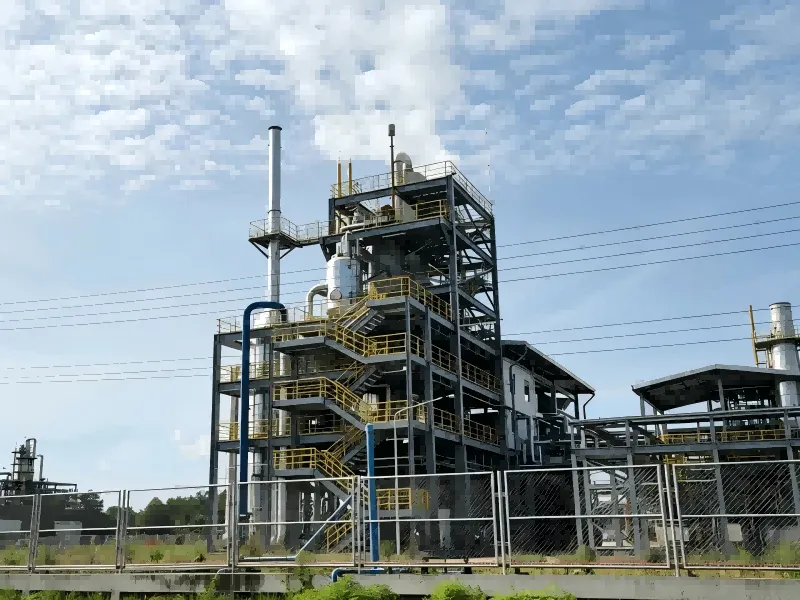
8. Industrial Project Reference: A 150 TPD Ethyl Acetate Plant in Turkey
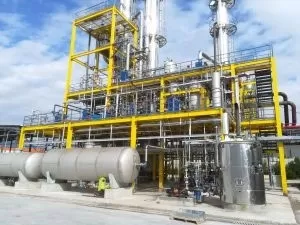
Industrial Equipment from Huda's Published Project Gallery
150 TPDPublished Plant Capacity
2020Commissioning Year
TurkeyProject Location
Huda's published project reference describes the commissioning of a 150 TPD ethyl acetate production facility in Turkey in 2020. The project adopted reactive distillation technology and supported the development of local ethyl acetate manufacturing capacity.
For investors, the case provides a useful reference for evaluating industrial-scale technology implementation, project coordination and energy-conscious engineering. However, its actual capital expenditure, utility consumption and financial returns have not been publicly disclosed.
View the Turkey Ethyl Acetate Plant Project >When assessing technology providers, prospective plant owners should request relevant industrial project references and clarify whether the published facilities are comparable to their intended production scale, raw material conditions and project delivery requirements.
9. Checklist for Comparing Ethyl Acetate Plant Quotations
Before making an investment decision, use a consistent evaluation framework for every technology provider. The following checklist helps investors identify missing commercial information and compare proposals on an equivalent basis.
| No. | Review Item | Information to Confirm |
|---|
| 01 | Production Basis | Daily capacity, annual output and operating assumptions. |
| 02 | Product Specifications | Required product quality and acceptance criteria. |
| 03 | Raw Material Consumption | Engineering estimates and commercial cost assumptions. |
| 04 | Utility Consumption | Steam, electricity, cooling water and evaluation boundaries. |
| 05 | Equipment Scope | Equipment lists, specifications and supply exclusions. |
| 06 | EPC Responsibilities | Design, procurement, construction and owner responsibilities. |
| 07 | Safety and Environmental Scope | Professional risk assessment, environmental obligations and local compliance. |
| 08 | Project Schedule | Engineering, equipment delivery and construction milestones. |
| 09 | Performance Guarantees | Contractual acceptance tests, guarantee conditions and remedies. |
| 10 | Lifecycle Economics | Estimated operating costs, maintenance, financing and investment returns. |
A complete comparison should normalize currency, quotation date, delivery terms, tax treatment, project exclusions and expected production performance. Without these adjustments, the lowest quoted equipment price may not represent the lowest total project cost.
Frequently Asked Questions About Ethyl Acetate Plant Cost
1. How much does a 150 TPD ethyl acetate plant cost?
A 150 TPD capacity alone is insufficient to establish a reliable investment figure. Technology selection, equipment specifications, utility infrastructure, construction location and EPC scope must be defined before a meaningful quotation can be prepared.
2. What is the difference between equipment cost and total installed plant cost?
Equipment cost refers to the purchase of specified machinery and process units. Total installed plant cost generally includes additional engineering, installation, construction, instrumentation and supporting infrastructure. Owner's costs and working capital may require further investment beyond the installed plant cost.
3. Which raw material prices affect ethyl acetate production cost?
For esterification-based production, ethanol and acetic acid prices are important operating cost variables. Their delivered prices, supply reliability and actual material consumption figures should be incorporated into the project's financial evaluation.
4. How do I calculate the annual steam cost of an ethyl acetate plant?
Multiply annual product output by specific steam consumption and the effective unit cost of steam. All figures should use consistent units and comparable operating boundaries. Actual steam costs should account for the site's utility generation or purchasing arrangements.
5. Is an existing chemical industrial site cheaper than building a new plant?
An existing industrial site may reduce investment if suitable utilities, storage and supporting infrastructure are already available. However, integration expenses, existing equipment limitations and regulatory requirements must also be considered. A site-specific feasibility assessment is necessary.
6. How can heat integration affect ethyl acetate plant profitability?
Heat integration can reduce external utility requirements when technically and economically feasible. Investors should compare verified annual energy savings with additional capital expenditure, maintenance costs and operating constraints to determine its financial value.
7. How long is the payback period of an ethyl acetate production plant?
There is no standard payback period. It depends on total investment, annual saleable output, feedstock prices, operating expenses, market selling prices and financing arrangements. Investors should use project-specific cash flow projections rather than a generalized industry estimate.
8. What information is needed to obtain an ethyl acetate EPC quotation?
Provide the proposed production capacity, plant location, feedstock specifications, intended product quality, available utilities, existing infrastructure and preferred project delivery scope. Local regulatory requirements and the expected project schedule are also important.
Conclusion: Evaluate the Total Cost, Not Just the Equipment Price
A competitive ethyl acetate plant investment requires a balance between initial capital expenditure, raw material economics, energy efficiency, reliable production and project execution.
By comparing proposals using consistent production assumptions and clearly defined EPC boundaries, investors can better understand the long-term economic implications of each technology option. A project-specific engineering evaluation is the most reliable starting point for developing an investment budget.
Request an Ethyl Acetate Plant Investment Proposal
Huda Chemical supports industrial investors with ethyl acetate production technology, process engineering, equipment procurement and customized chemical plant EPC solutions.
Share your target annual capacity, local feedstock conditions, utility costs and proposed project location with our engineering team to discuss a suitable technical and commercial proposal.
Request a Project Proposal >