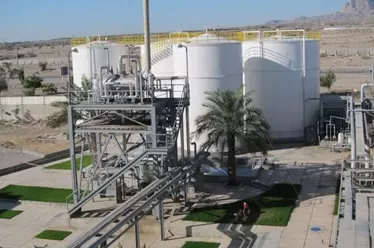
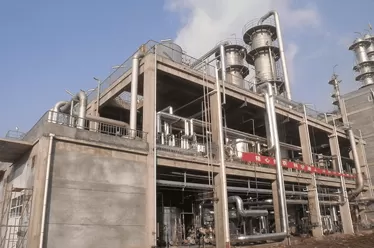
Methyl acetate is an important solvent in the chemical industry, used in various applications such as paint thinners, nail polish removers, and as a solvent for adhesives and coatings. The production of methyl acetate has evolved over the years, with advancements in technology and process optimization. This article will explore the current methods used to produce methyl acetate, including the raw materials, catalysts, and processes involved.
Raw materials and catalysts
The main raw materials used in the production of methyl acetate are acetic acid and methanol. Acetic acid can be produced from various sources, including the oxidation of acetaldehyde, the oxidation of ethanol, or the carbonylation of methanol with carbon monoxide. Methanol can be produced from natural gas, coal, or biomass.
The production process involves the reaction of acetic acid and methanol in the presence of a catalyst. The most commonly used catalysts are sulfuric acid, phosphoric acid, or ion-exchange resins. These catalysts facilitate the esterification reaction between acetic acid and methanol, resulting in the formation of methyl acetate.
Production methods
There are two main methods used to produce methyl acetate: the direct method and the indirect method.
Direct method
The direct method involves the reaction of acetic acid and methanol in the presence of a catalyst. This method is typically carried out in a batch reactor, where the reactants are mixed and heated to initiate the reaction. The reaction produces a mixture of methyl acetate, water, and acetic acid. The methyl acetate can be separated from the mixture through distillation.
Indirect method
The indirect method involves the production of methyl acetate through the esterification of acetic anhydride with methanol. Acetic anhydride is produced from the reaction of acetic acid with acetic anhydride. The methyl acetate is then separated from the reaction mixture through distillation.
Process optimization
To improve the efficiency and yield of methyl acetate production, various process optimization techniques are employed. These include optimizing the reaction conditions, such as temperature, pressure, and reaction time, and using advanced catalysts and separation techniques.
In addition, the use of alternative raw materials and renewable energy sources is being explored to make the production process more sustainable and environmentally friendly.
Conclusion
The production of methyl acetate has evolved over the years, with advancements in technology and process optimization. The direct and indirect methods are the two main methods used to produce methyl acetate, with the direct method being the more commonly used. Process optimization techniques, such as optimizing the reaction conditions and using advanced catalysts and separation techniques, are employed to improve the efficiency and yield of methyl acetate production. The use of alternative raw materials and renewable energy sources is also being explored to make the production process more sustainable and environmentally friendly.