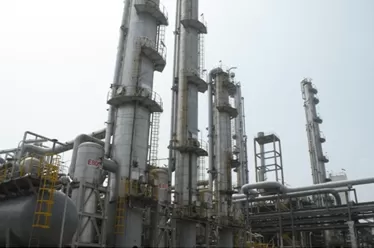
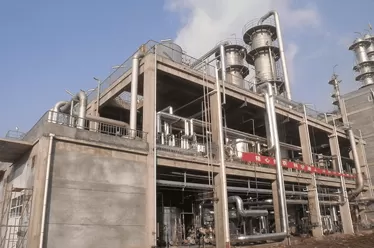
Designing and engineering a Formaldehyde Plant is a complex and intricate process that demands meticulous planning, state-of-the-art technology, and a deep understanding of chemical engineering principles. As one embarks on this journey, it's crucial to take into account various considerations that ensure the plant's efficiency, safety, and sustainability. This article delves into the essential factors that influence the design and engineering of a Formaldehyde Plant.
Understanding the Basics
Formaldehyde is a critical chemical used in various industries, from manufacturing resins and plastics to serving as a preservative in medical laboratories. The production of formaldehyde typically involves the oxidation of methanol. Therefore, a Formaldehyde Plant must be designed to handle these chemical reactions efficiently and safely.
Site Selection and Layout
The location of the Formaldehyde Plant plays a pivotal role in its overall success. Factors such as proximity to raw material suppliers, availability of utilities like water and electricity, and ease of transportation for the final product are critical. The plant layout should optimize workflow, minimize material handling, and ensure safety. Proper zoning and adherence to environmental regulations are also paramount.
Process Design
The heart of any Formaldehyde Plant is its process design. This includes selecting the appropriate technology for methanol oxidation, which can be either the silver catalyst process or the metal oxide process. Each method has its advantages and disadvantages in terms of yield, efficiency, and by-products. Detailed process flow diagrams (PFDs) and piping and instrumentation diagrams (P&IDs) are essential tools in this phase.
Equipment Selection
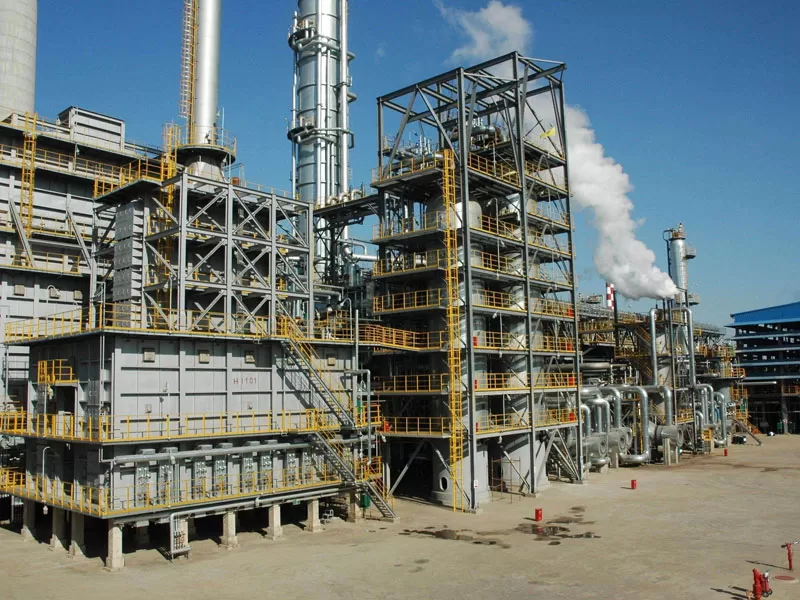
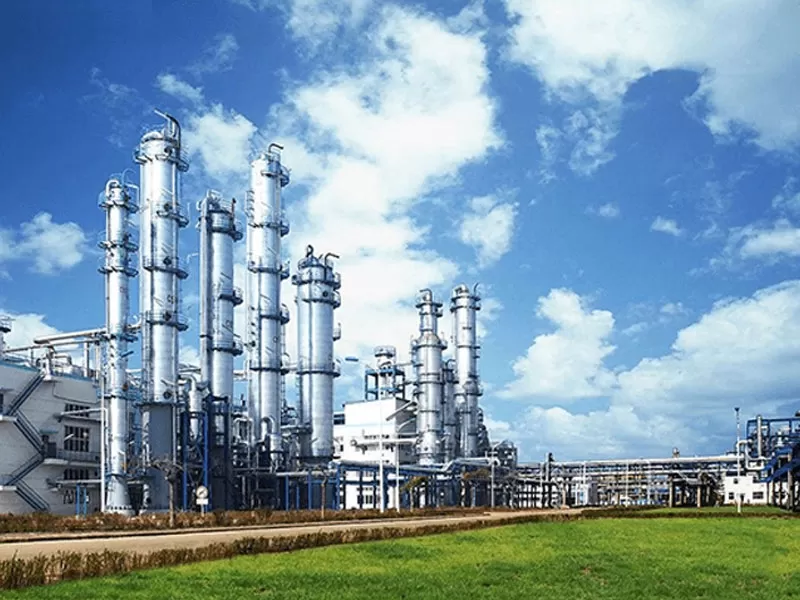
Choosing the right equipment is crucial for the smooth operation of a Formaldehyde Plant. This includes reactors, heat exchangers, absorbers, and distillation columns. Each piece of equipment must be designed to withstand the corrosive nature of formaldehyde and operate under the specified conditions of temperature and pressure. Material selection, durability, and ease of maintenance are key considerations.
Safety and Environmental Considerations
Safety is of utmost importance in the design and operation of a Formaldehyde Plant. This includes implementing robust safety protocols, regular maintenance schedules, and emergency response plans. Additionally, formaldehyde is a volatile organic compound (VOC) with significant environmental impact. Therefore, the plant must incorporate emission control technologies such as scrubbers and catalytic converters to minimize its environmental footprint.
Automation and Control Systems
Modern Formaldehyde Plants rely heavily on automation and advanced control systems to ensure optimal performance. Distributed control systems (DCS) and programmable logic controllers (PLC) are commonly used to monitor and control various parameters such as temperature, pressure, and flow rates. These systems enhance operational efficiency, reduce human error, and improve safety.
Economic Feasibility
The economic viability of a Formaldehyde Plant is another critical consideration. This involves conducting a thorough cost-benefit analysis, including capital investment, operational costs, and potential revenue. Factors such as market demand, raw material prices, and competition must be evaluated to ensure the plant's profitability.
Conclusion
In conclusion, the design and engineering of a Formaldehyde Plant require a holistic approach that encompasses site selection, process design, equipment selection, safety measures, environmental considerations, automation, and economic feasibility. By meticulously addressing these factors, one can ensure the successful establishment and operation of a Formaldehyde Plant that is efficient, safe, and environmentally responsible.