Understanding the Process and Importance of Chemical Purification Plants
Chemical purification plants play a crucial role in ensuring the production of high-quality chemicals that meet industry standards. These facilities are designed to remove impurities and contaminants from various chemical compounds, enabling their safe and efficient use in a wide range of applications. In this article, we will explore what chemical purification plants are, how they operate, and why they are essential in maintaining the integrity of chemical products.
What we have done for our clients:
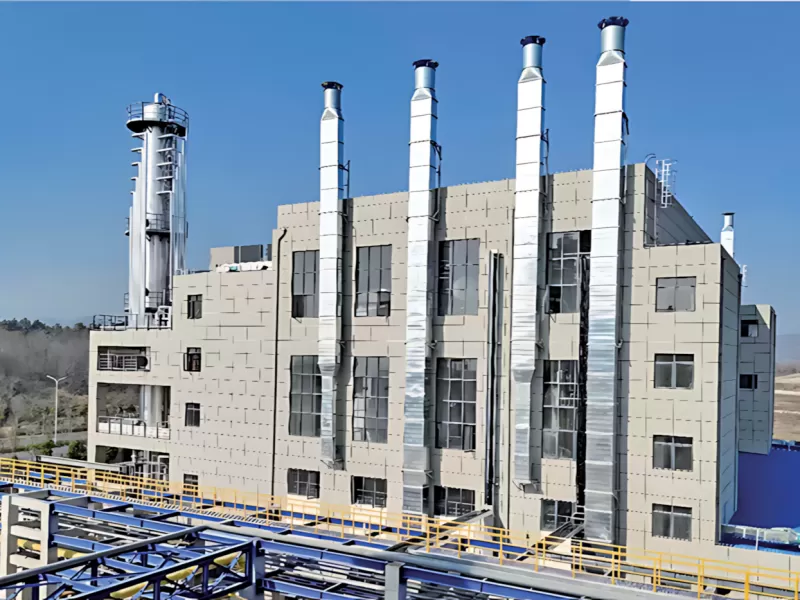
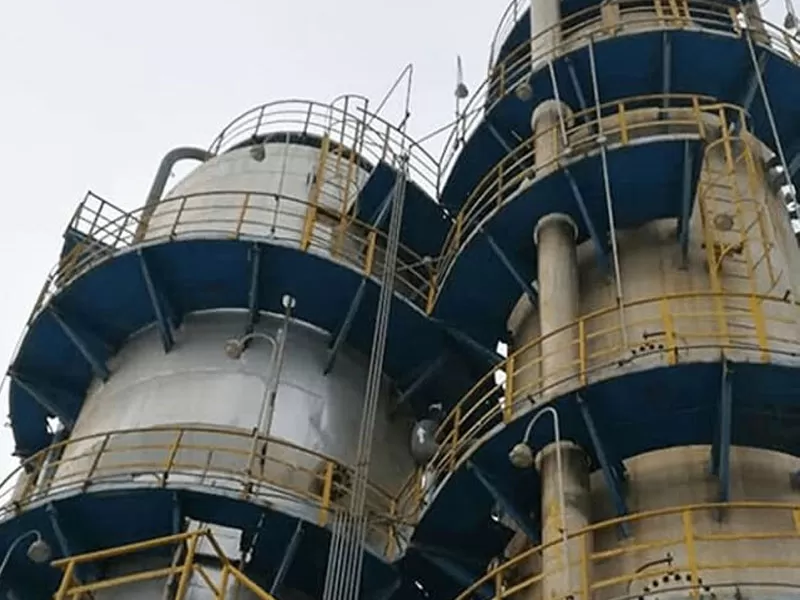
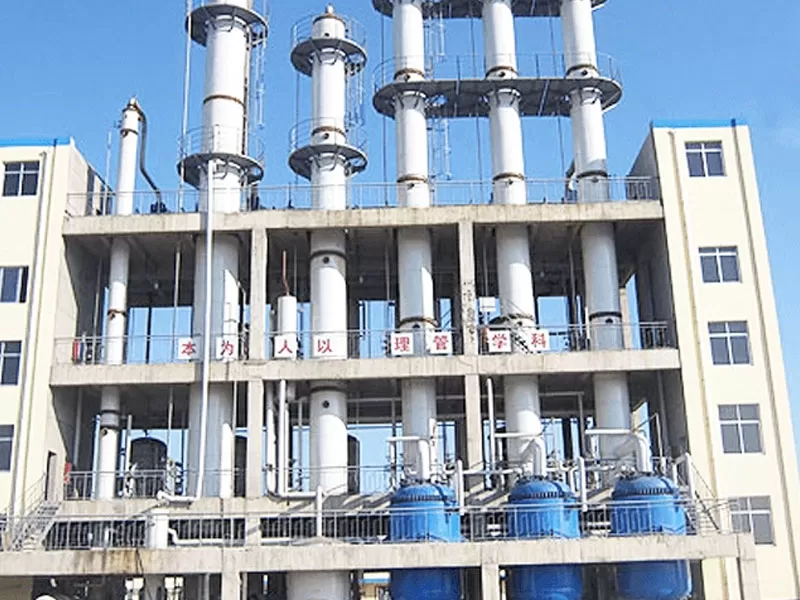
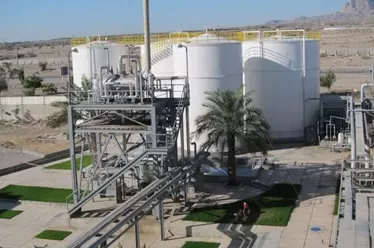
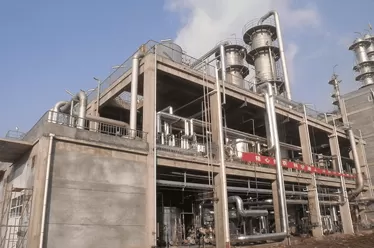
We had built a fundamental office to purge phenol for all day, using their skill in mimicking compound cycles and the innovative work discoveries from All day's processing plant. This office at present works by involving coked rough phenol as the natural substance, which requires lack of hydration and deslagging. In 2016, SL Detective proposed a redesign for this office, recommending a shift from coked rough phenol to a combination of phenol after treatment. This change works on the decontamination cycle for phenol, yet in addition limits how much waste created.
The process of chemical purification:
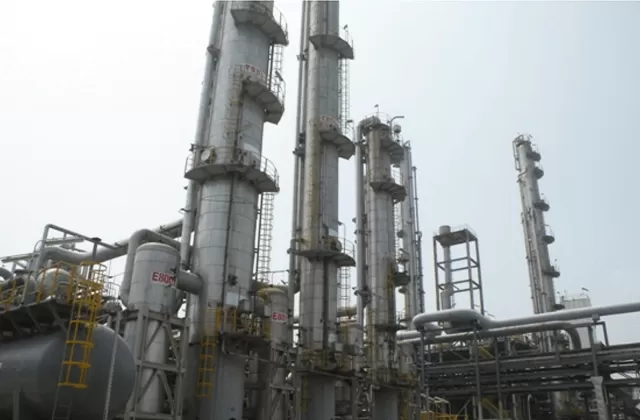
Chemical purification involves several stages, each aimed at removing specific impurities from the compounds. The process typically begins with the identification of impurities through rigorous testing and analysis. Once identified, the purification process commences, which can include various techniques such as distillation, filtration, crystallization, and extraction.
Distillation is a commonly used method in chemical purification plants. It involves heating the chemical compound to its boiling point and then condensing the vapor back into a liquid, effectively separating it from impurities that have different boiling points. Filtration, on the other hand, uses porous materials to separate solid impurities from the liquid compound.
Crystallization is another widely utilized technique in chemical purification. By carefully controlling the temperature and concentration of the compound, impurities can be forced out of the solution, leaving behind pure crystals. Extraction involves using solvents to selectively remove impurities from the compound, leaving behind a purified substance.
Conclusion:
Chemical purification plants are essential facilities that ensure the production of high-quality, pure chemicals. By employing various purification techniques, these plants remove impurities and contaminants, guaranteeing the safety and performance of chemical compounds. Their role in maintaining industry standards, promoting sustainability, and safeguarding the end-users cannot be overstated. As technology advances, chemical purification plants continue to evolve, enabling the production of even purer and more reliable chemical products.